
SUBSCRIBE PREVIOUS ISSUES
Featured Article
Water Conservation in Labs: Protecting Chesapeake Bay Tributaries Start at the Sink
From glassware rinsing to buffer prep, labs use a lot of water—and can unintentionally dispose of pollutants into the same waterways they are trying to protect. In Maryland, that connection is especially direct: much of the state drains to the Chesapeake Bay, where excess nutrients and sediments remain a long-standing water-quality challenge.1
EPA established a Bay-wide Total Maximum Daily Load (TMDL) in 2010, aiming for major reductions in nitrogen, phosphorus and sediment, with a target timeline extending to 2025.1 NIH complies with the National Pollutant Discharge Elimination System (NPDES) permit guidelines under the Clean Water Act (CWA), Section 402, prohibiting discharge of “pollutants" from a “point source" into the waters of the United States.
Although the water from the labs is not discharged into rivers or the Bay, they discharge indirectly into a publicly owned treatment works (Publicly owned treatment work (POTW )municipal sewer) regulated by Washington Suburban Sanitary Sewer (WSSC). Even “small" discharges add up when multiplied across hundreds of labs, hospitals and research facilities — especially when pollutants interfere with wastewater treatment or contribute to nutrient and toxic loads.1
NIH has a drain discharge policy providing guidance for safely disposing of materials to prevent any inadvertent release into the wastewaters regulated by WSSC. Learn more about the water conservation efforts for drain disposal in labs in the Take Action article.
Water conservation in labs isn't just about lowering utility bills — it's about preventing small daily practices from having cumulative impacts on Maryland's rivers and the Chesapeake Bay.
Spotlight
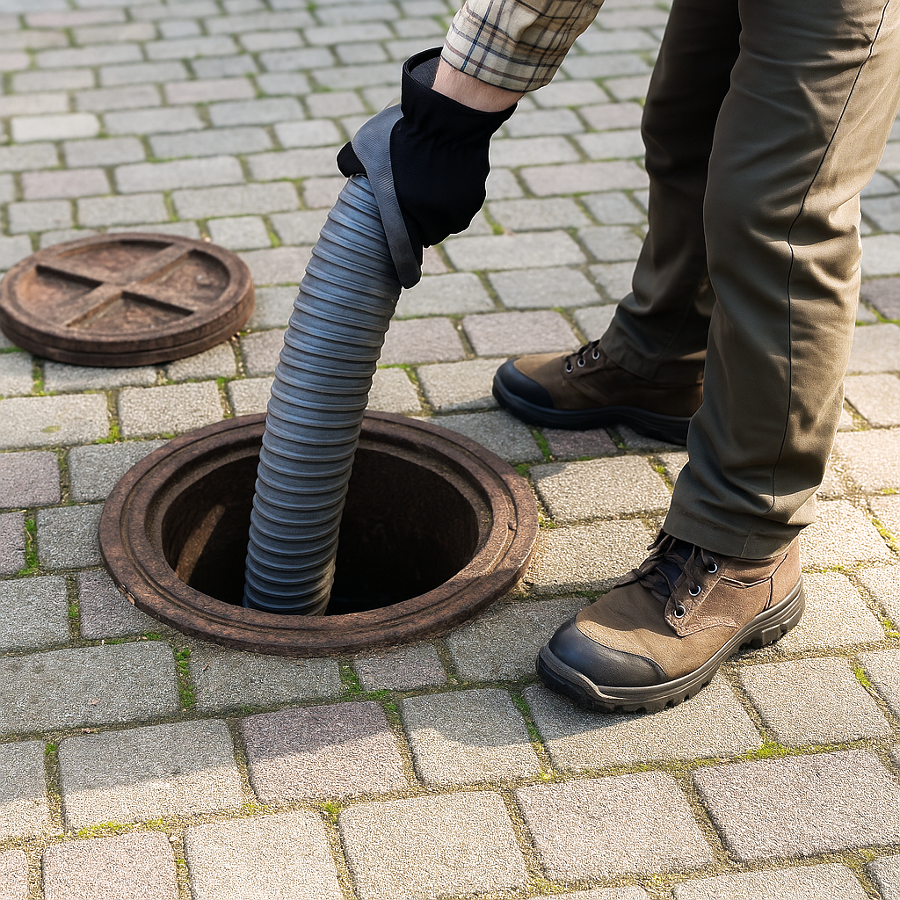
| Drain Discharge Application Review Committee
Drain disposal at NIH is strictly
regulated because chemicals can interfere with wastewater treatment processes,
impacting water used for recreation and consumption.
LEARN MORE
|
Take Action
| Water Conservation Efforts for Drain Disposal in Labs
Per the Resource Conservation and Recovery Act (RCRA), many chemical
wastes are hazardous because they are listed or exhibit a hazardous
characteristic such as ignitability, corrosivity, reactivity or toxicity (40
CFR Part 261) and do not belong in the drain.
LEARN MORE |
Fun Fact
Did you know: Laboratories can use five times as much potable water as similarly size commercial buildings.1 Laboratory water conservation practices are especially important to help NIH reduce its overall water consumption.
Newsletter Feedback If you found this article useful, please let us know! We appreciate hearing how we might improve our future articles, including topics you would like to read about. Please take a moment to complete this quick feedback form:
The NIH Green Zone Newsletter is a publication intended to inform NIH staff about the Division of Environmental Protection and NIH Green Teams projects and initiatives. The text contained in this newsletter is not copyrighted and can be reprinted without permission. If you use portions of this newsletter in your own publication, we ask that you please credit the source. We welcome your comments and suggestions. Thank you.
|
|---|
|
Division of Environmental Protection | Office of Research Facilities | Office of Management
National Institutes of Health | U.S. Department of Health and Human Services
|