
SUBSCRIBE PREVIOUS ISSUES
Spotlight
Composting at the NIH
The NIH’s evolving mission to meet national public health needs includes maintaining effective waste management across all its facilities in compliance with
federal, state and
local regulations to protect staff, visitors and resources.
NIH Manual Chapter 3032 sets policies and responsibilities for minimizing waste, as well as ensuring that unavoidable waste and recyclables are properly managed.
The Solid Waste Team (SWT) within the Waste and Resource Recovery Branch (WRRB) of the Division of Environmental Protection (DEP) oversees waste services, compliance and guidance. As NIH waste management has grown, the SWT continues to reduce disposal costs by diverting waste from landfills through recycling, recovery and beneficial reuse programs. Their composting program, while still in its fledgling stages, shows a lot of promise.
I spoke with members of the WRRB SWT to learn more about waste diversion activities/programs.
“One way we are exploring new avenues for waste diversion is through the pre-consumer food scraps composting program. This program currently operates at the Building 10 Cafeteria and Building 50 coffee shop, and consists of all food scraps yielded from kitchen/meal preparation. The collected food scraps are stored in a sealed container and transported to a processing facility to undergo a process called anaerobic digestion.”
Composting refers to the natural aerobic process that takes place when organic matter decomposes and breaks down into a nutrient-rich soil amendment.
Anaerobic digestion is the process through which bacteria breaks down organic matter. This process yields biogas, which can be used as fuel, and nutrient-rich liquid digestate, which can be used in fertilizer, horticulture and other products. The added benefit of using an anaerobic digester is that the controlled environment prevents inadvertent emissions.
When organic matter is disposed of in landfills, the organic waste begins to break down via aerobic decomposition. This releases uncontrolled amounts of raw biogas, such as methane. Proper disposal of composting, and waste in general, is helpful both for the NIH community and for the environment.
“We take extra precaution due to the unique environment that is the NIH Bethesda Campus. By focusing on pre-consumer food services operations, unnecessary risk of contamination within our shared spaces can be avoided. While the pre-consumer food scraps composting program is still a fledgling component of waste management operations, the WRRB SWT is hopeful for future developments.”
“As the industry expands and technology changes, it will be interesting to see how services like [composting] can be further utilized. There are many areas for growth both inside and outside of the food sector. Just as we have seen recent expansion within other green sectors, the future holds many promising opportunities.”
Featured Article

|
A Taste of the Holidays
Holidays weave lasting memories, as we gather at the table sharing food and laughter, rejoicing festivities with family and friends. Whether entertaining at home, at a restaurant or working in the hospitality industry, food plays an important role in connecting us with culture and heritage.
LEARN MORE
|
Take Action
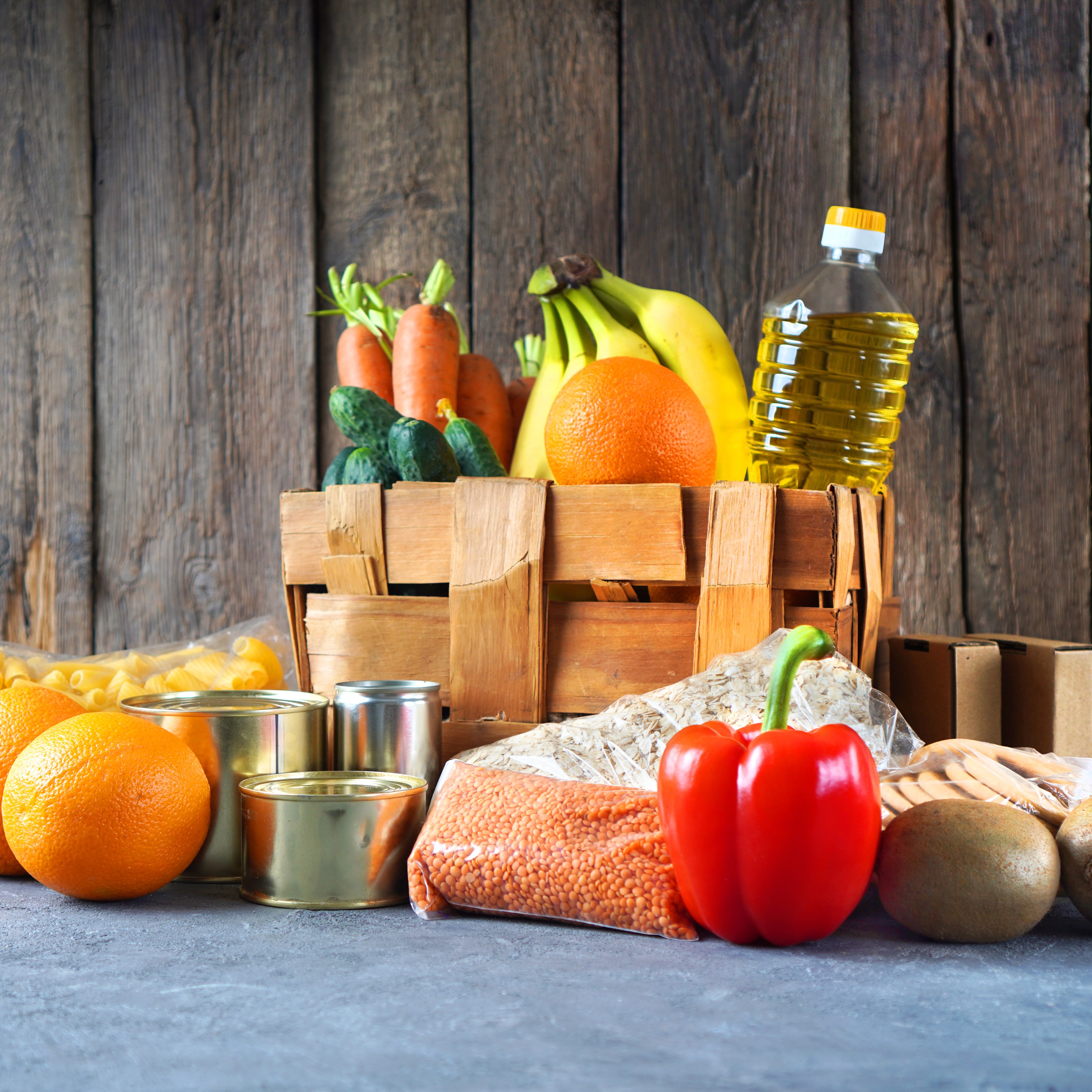
| The Gift of Food
Preventing food waste can be effective now more than ever, given the food being used during holiday festivities. Below are a few ways you can reduce the impact of your food consumption this holiday season.
LEARN MORE |
Fun Fact
Did you know? Food waste reduction efforts in the United States date back to World War II, where several public campaigns sprung up across the nation to encourage gardening and communal food canning as part of the war effort. In 1943, 75% of American homemakers put up 4.1 billion containers of food, averaging 165 jars each.1
Newsletter Feedback If you found this article useful, please let us know! We appreciate hearing how we might improve our future articles, including topics you would like to read about. Please take a moment to complete this quick feedback form:
The NIH Green Zone Newsletter is a publication intended to inform NIH staff about the Division of Environmental Protection and NIH Green Teams projects and initiatives. The text contained in this newsletter is not copyrighted and can be reprinted without permission. If you use portions of this newsletter in your own publication, we ask that you please credit the source. We welcome your comments and suggestions. Thank you.
|
|---|
|
Division of Environmental Protection | Office of Research Facilities | Office of Management
National Institutes of Health | U.S. Department of Health and Human Services
|