Make a shopping list
One of the most effective ways to prevent food waste is done before you even leave your home. Prior to shopping for your holiday meals, check your freezer, refrigerator and pantry before making a grocery list. You might have those spices and other ingredients already! Unneeded ingredients can easily end up as food waste down the line.
Be conscious of your spending
Sales and deals run rampant at this time of year. It may be tempting to capitalize on the moment and buy something unnecessary. Stick to your well-made shopping list. Not only will you reduce your potential for food waste, but your wallet will thank you, too!
Compost at home
Try starting a backyard compost pit or bin at home. Also, if possible, look into entering your local compost programs. The following locations have composting programs for households:
- Arizona: Phoenix, Tempe, Tucson
- Maryland: Baltimore City, Howard County, Montgomery County, Prince George's County, Takoma Park
- Montana: Billings (yard waste), Bozeman, Missoula (private)
- North Carolina: Asheville, Durham, Orange County, Raleigh (yard waste)
If you are interested, there may be additional private options available depending on your location. Cities and counties are constantly updating their waste programs, so make sure to double-check whether any programs are active in your area.
Dispose of packaging properly
Food and drinks often come with a lot of packaging. Rinse and recycle any glass or aluminum containers your ingredients come in. If they are plastic, check to make sure they can be recycled before rinsing and disposing of them properly as well.
Donate excess food
Instead of allowing food and ingredients to sit and expire, consider donating unopened non-perishables to food banks. The Children’s Inn
Wish List features desired food items that you may have and not need. There are also local
food banks for you to choose from:
- Arizona: Community Food Bank of Southern Arizona, St. Mary Food Bank, United Food Bank, Yuma Community Food Bank
- Maryland: Capital Area Food Bank, Maryland Food Bank
- Montana: Montana Food Bank Network
- North Carolina: Food Bank of Central & Eastern North Carolina, Food Bank of the Albemarle, Inter-Faith Food Shuttle, MANNA FoodBank, Second Harvest Food Bank of Metrolina, Second Harvest Food Bank of Northwest North Carolina, Second Harvest Food Bank of Southeast North Carolina
Featured Article

|
A Taste of the Holidays
Holidays weave lasting memories, as we gather at the table sharing food and laughter, rejoicing festivities with family and friends. Whether entertaining at home, at a restaurant or working in the hospitality industry, food plays an important role in connecting us with culture and heritage.
LEARN MORE
|
Spotlight
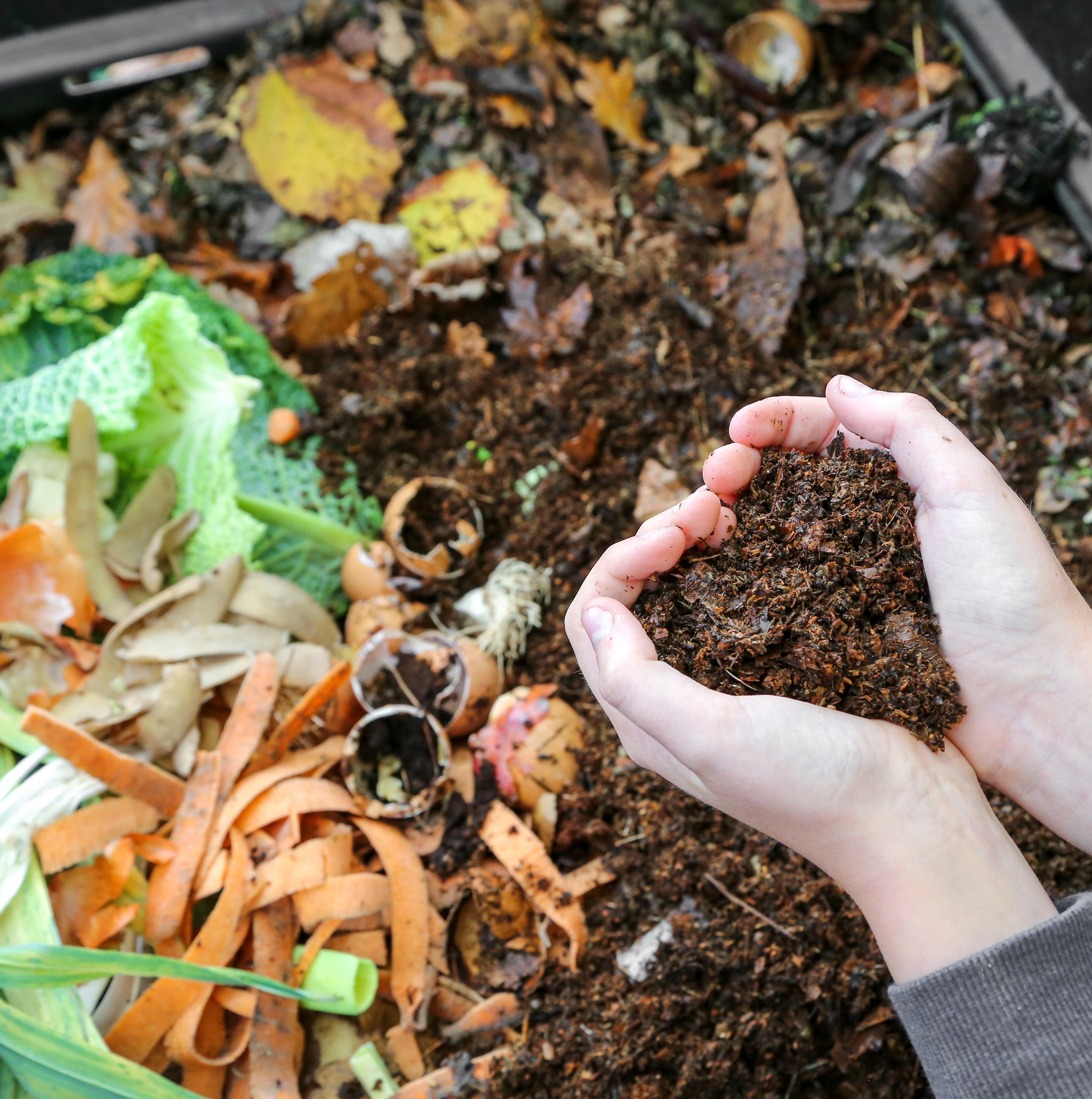
| Composting at the NIH The NIH’s evolving mission to meet national public health needs includes maintaining effective waste management across all its facilities in compliance with federal, state and local regulations to protect staff, visitors and resources.
LEARN MORE
|
Fun Fact
Did you know? Food waste reduction efforts in the United States date back to World War II, where several public campaigns sprung up across the nation to encourage gardening and communal food canning as part of the war effort. In 1943, 75% of American homemakers put up 4.1 billion containers of food, averaging 165 jars each.1
Newsletter Feedback If you found this article useful, please let us know! We appreciate hearing how we might improve our future articles, including topics you would like to read about. Please take a moment to complete this quick feedback form:
The NIH Green Zone Newsletter is a publication intended to inform NIH staff about the Division of Environmental Protection and NIH Green Teams projects and initiatives. The text contained in this newsletter is not copyrighted and can be reprinted without permission. If you use portions of this newsletter in your own publication, we ask that you please credit the source. We welcome your comments and suggestions. Thank you.
|
|---|
|
Division of Environmental Protection | Office of Research Facilities | Office of Management
National Institutes of Health | U.S. Department of Health and Human Services
|