
SUBSCRIBE PREVIOUS ISSUES
Featured Article
Why June Matters for the Environment
In many parts of the world, the month of June symbolizes growth, renewal and life. Trees blossom, gardens flourish and wildlife become more active. This natural vibrancy serves as a powerful reminder of the beauty and importance of the ecosystems that sustain us. Yet, environmental challenges such as extreme weather patterns, pollution, deforestation and water scarcity continue to threaten the health of our planet.
June is the month with the most environmentally focused days of the year including World Environment Day, World Oceans Day, and Global Winds Day. These observations give us an opportunity to pause and highlight the interconnectedness of our ecosystems and the need to preserve them for future generations.
For example, June 5 is celebrated as World Environment Day, led by the United Nations Environment Program (UNEP). It encourages people everywhere to take action to restore and protect nature. Each year, the UNEP campaign focuses on a specific environmental issue, inspiring governments, organizations and individuals to work together toward solutions.1 Visit the UNEP website to learn more about this year's campaigns.
Another example is World Oceans Day on June 8, which emphasizes the importance of protecting marine ecosystems from pollution, overfishing and extreme weather patterns. This observance encourages global efforts to reduce plastic waste, preserve coral reefs and promote prudent use of ocean resources. Coastal cleanups, marine education programs and awareness campaigns are commonly organized to inspire action toward healthier oceans.2
Overall, environmentally significant days in June serve as an important catalyst for education, collaboration and action. They not only raise awareness of environmental challenges but also inspire practical solutions, community involvement and future leadership in public health. Learn about the various ways in which you can contribute towards conserving natural resources and protecting the environment in the Take Action 3 article of this issue.
Spotlight
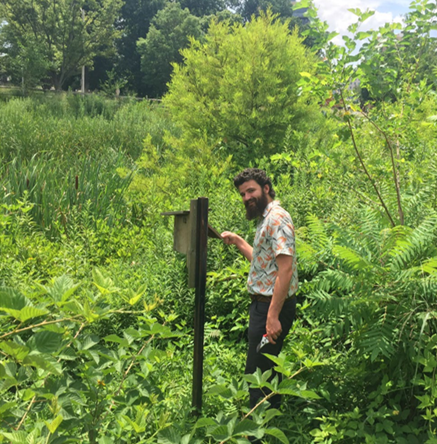
| Alexander Mueller
Alexander (AJ) Mueller is a Physical Scientist working in DEP since
2020 and has fulfilled the role of the Acting Landscape Architect since 2025.
As a Physical Scientist, AJ works mostly with stormwater, wastewater and
erosion & sediment control issues around the NIH Campus, addressing both
existing and ongoing construction project activities.
LEARN MORE
|
Take Action
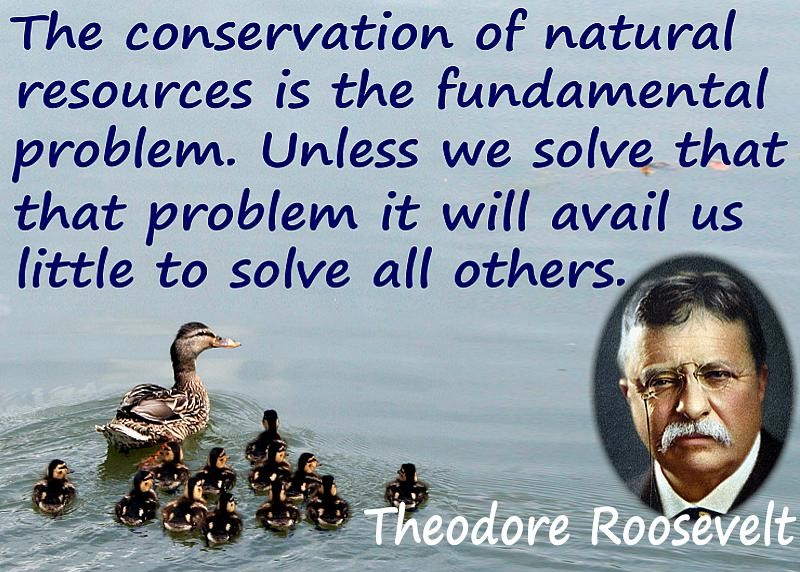
| Conserving Natural Resources Starts with Everyday Choices
Celebrate June and its many days of
environmental observation by getting involved in stewardship initiatives. Environmental
conservation depends not only on technology and policy but also on human
behavior.
LEARN MORE |
Fun Fact
Did you know: June is officially the beginning of Summer and holds some important environmentally global events. World Enviroenmtnal Day (June 5), World Ocean Day (June 8) and World Day to Combat Desertification and Drought (June 17).
Newsletter Feedback If you found this article useful, please let us know! We appreciate hearing how we might improve our future articles, including topics you would like to read about. Please take a moment to complete this quick feedback form:
The NIH Green Zone Newsletter is a publication intended to inform NIH staff about the Division of Environmental Protection and NIH Green Teams projects and initiatives. The text contained in this newsletter is not copyrighted and can be reprinted without permission. If you use portions of this newsletter in your own publication, we ask that you please credit the source. We welcome your comments and suggestions. Thank you.
|
|---|
|
Division of Environmental Protection | Office of Research Facilities | Office of Management
National Institutes of Health | U.S. Department of Health and Human Services
|