
SUBSCRIBE PREVIOUS ISSUES
Spotlight
Alexander Mueller
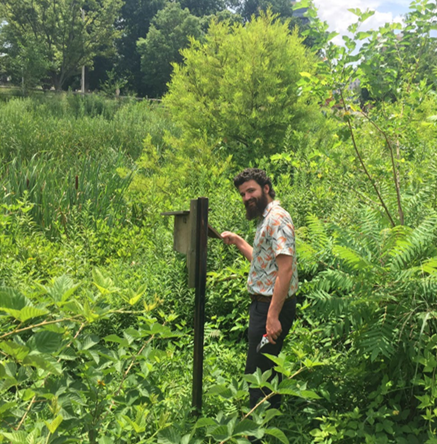
Alexander (AJ) Mueller is a Physical Scientist working in DEP since 2020 and has fulfilled the role of the Acting Landscape Architect since 2025. As a Physical Scientist, AJ works mostly with stormwater, wastewater and erosion & sediment control issues around the NIH Campus, addressing both existing and ongoing construction project activities. The duties of the Campus Landscape Architect involve overseeing the exterior grounds of the sprawling 308 acres of the NIH Bethesda campus, and the NIHAC in Poolesville Maryland, of over 500 acres. Of the 308 acres that make up the limits of the NIH Bethesda campus, almost 180 are labeled as 'landscape' areas. This includes forests, lawns, gardens and even patio spaces. The NIH Landscape Architect is the main steward of these spaces and focuses on creating a safe, accessible and welcoming environment for employees, patients and visitors alike.
As part of establishing this connection between NIH patrons and our surrounding ecosystem and its inhabitants, we have established multiple programs and initiatives to further foster a cooperative balance for our increasingly developing landscape. NIH has developed and maintains a Forest Conservation Plan (FCP) which outlines strategies to preserve and enhance our natural and native forest landscape of over 8,000 trees. Nearly 24 acres of the main campus have now been converted into preserved 'no mow' areas. In an urbanized area such as our Bethesda campus, these naturalized No-Mow areas serve multiple purposes including …
- Cost savings within the ORF budget (+/- $10,000.00/yr)
- Lessens mower/engine exhaust
- Eliminates 'Lawn Mower & Trimmer Disease' to tree trunks
- Eliminates further soil compaction
- Allows growth and diversity of mammals, amphibians, birds, beneficial Insects
- Filters stormwater run off before it enters our waterways
- Allows additional stormwater to infiltrate into groundwater, reduces run-off
Many additional initiatives at NIH have been implemented to help this symbiotic relationship between people and our environment. There are 12 Pollinator Meadows/Monarch Butterfly Sanctuaries located on campus, giving local flora & fauna a protected space to flourish. Over the past 20 years, NIH has developed a Bluebird Program that now extends throughout our entire campus landscape. The now 106+ songbird houses on campus provide a chemical-free native biological solution for mosquito, pest and insect nuisances that otherwise would be vectors for numerable health issues around campus. This has virtually removed the need of herbicides and pesticides on the NIH Campus.
There are 18 'Tree Snags' which are standing dead trees that in a natural setting would provide shelter, food and protection for many of our local species. Our campus currently contains 31 Memorial & 49 Commemorative trees that through donation have been planted in honor of NIH persons or events. NIH also holds records for 6 State and County 'Champion' Trees, meaning that they are the largest of their species in our locale. The NIH Landscape Architect manages and monitors each of these sites throughout the year to ensure their status and wellbeing.
As a continued leader and foster of wellbeing in our community, the NIH puts the health and safety of our inhabitants as well as our beautiful campus at the forefront of everything we do. By following our own best advice, NIH has shown itself to become a leader of health and safety not only in the biomedical field, but in sustainable and environmental causes just as well.
Featured Article
 
|
Why June Matters for the Environment
In
many parts of the world, the month of June symbolizes growth, renewal and life.
Trees blossom, gardens flourish and wildlife become more active. This natural
vibrancy serves as a powerful reminder of the beauty and importance of the
ecosystems that sustain us. LEARN MORE
|
Take Action
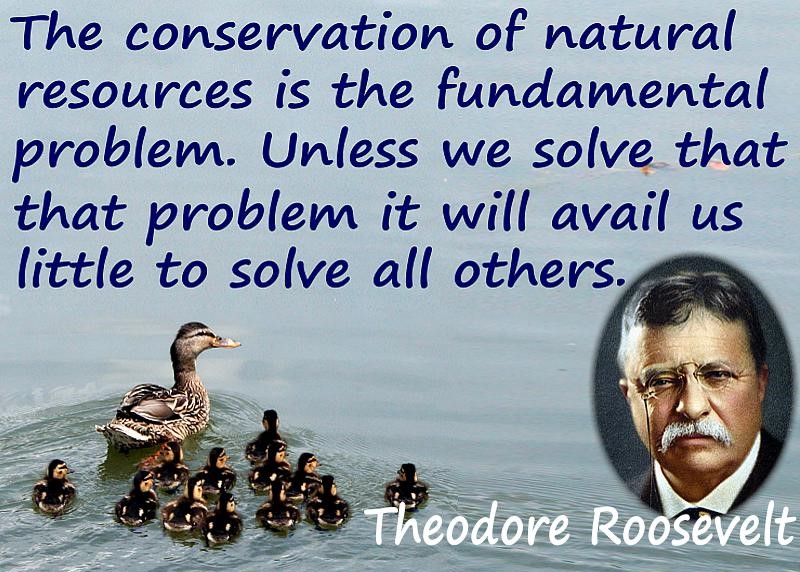
| Conserving Natural Resources Starts with Everyday Choices Celebrate June and its many days of
environmental observation by getting involved in stewardship initiatives. Environmental
conservation depends not only on technology and policy but also on human
behavior.
LEARN MORE |
Fun Fact
Did you know: June is officially the beginning of Summer and holds some important environmentally global events. World Enviroenmtnal Day (June 5), World Ocean Day (June 8) and World Day to Combat Desertification and Drought (June 17).
Newsletter Feedback If you found this article useful, please let us know! We appreciate hearing how we might improve our future articles, including topics you would like to read about. Please take a moment to complete this quick feedback form:
The NIH Green Zone Newsletter is a publication intended to inform NIH staff about the Division of Environmental Protection and NIH Green Teams projects and initiatives. The text contained in this newsletter is not copyrighted and can be reprinted without permission. If you use portions of this newsletter in your own publication, we ask that you please credit the source. We welcome your comments and suggestions. Thank you.
|
|---|
|
Division of Environmental Protection | Office of Research Facilities | Office of Management
National Institutes of Health | U.S. Department of Health and Human Services
|